How to Hire Demolition Services: 10 Questions to Ask Before You Sign

Hiring the right demolition services provider is essential for keeping your project safe, organized, and within budget. Whether you are removing an old structure, renovating a home, or clearing a concrete foundation, choosing an experienced contractor can help prevent delays, property damage, and unexpected costs.

Before signing a contract, ask these 10 important questions to understand the contractor’s experience, safety practices, pricing, and cleanup responsibilities.

1. Are You Licensed and Insured?

When selecting demolition contractors, ensure they have necessary licenses, permits and insurance for your site and work. Request general liability and workers’ compensation insurance coverage, if applicable.

A good cover can ensure that you won’t have to be held liable when an accident or property damage takes place during the job.

2. Do You Have Experience With My Type of Project?

Not all contractors work with all clients. There are specialists too who work on residential demolition work, and there are those specializing in the removal of the interior of a commercial building, industrial facility or selective home demolition.

Ask if there are any sample projects that have been done. For those who require walls, floors or kitchen cabinets to be removed from the house without causing harm to the rest of the house, see interior demolition contractors.

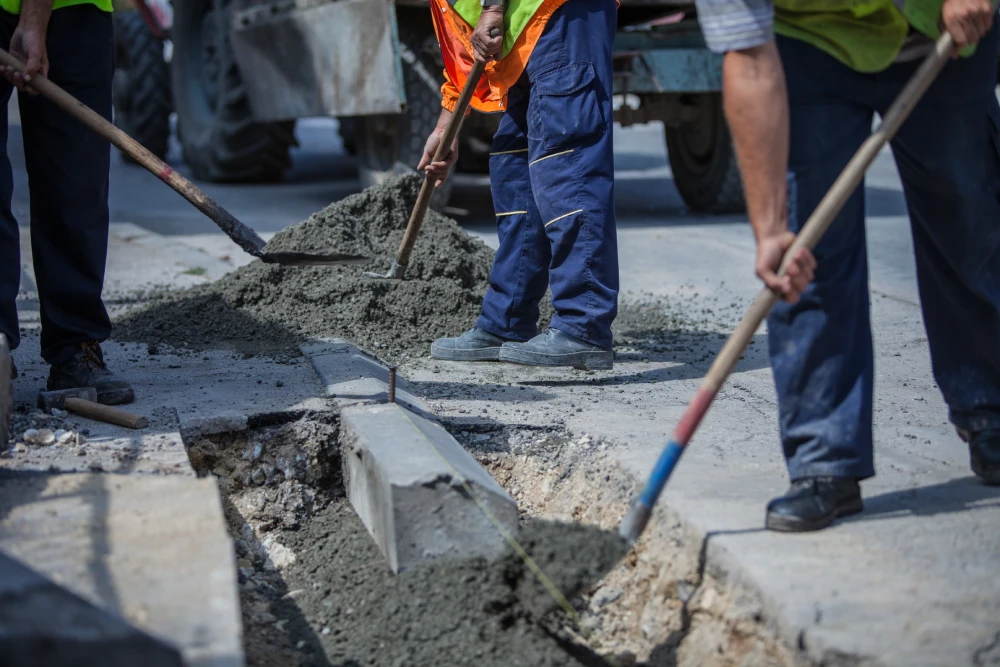
professional demolition

3. What Safety Measures Will You Follow?

The safety of a demolition project should always be a priority. Inquire about the contractor’s procedure for safety measures to ensure the safety of the workers, surrounding properties, and people in the vicinity.

Professional companies who offer safe demolition services should provide details regarding their safety measures, equipment demands, dust control and any measures they will take to dispose of hazardous materials. In older buildings, it is possible that asbestos or lead checks need to be done prior to starting work.

4. Will You Handle Permits and Utility Disconnections?

Permits and inspections might be needed for demolition projects and utilities such as electric, gas, water or other may need to be disconnected. Requirements are dependent on location and scope of a project.

Inquire if the contractor will take care of these tasks or if you will have to do them yourself. Ensure that all necessary approvals are obtained prior to starting work on demolition.

5. What Is Included in Your Estimate?

Obtain a written quotation detailing the costs of labor, equipment, permits, transportation, cleanup and disposal. This is especially important when comparing different demolition services providers.

Inquire if any other fees could apply for any unforeseen problems such as structural problems, difficult access, hazardous material, or any other debris. Having a detailed estimate can make a much easier comparison and you won’t get any surprises.

6. Do You Provide Demolition and Debris Removal?

Demolition is just one aspect of the process. If the contractor does not perform loading, hauling, recycling and demolition and debris removal, ask if they can arrange for it.

Make sure that there is an understanding of the cost of cleaning up the job and whether the site will be prepared for the next phase of construction.

7. How Will You Handle Concrete Breaking and Removal?

When hiring a contractor for your project, if you are considering a driveway, patio, slab or foundation, inquire about the contractor’s experience with concrete breaking. The equipment and process will vary depending on the thickness of the concrete, access to the site and surrounding structures.

For larger projects, concrete foundation removal may require specialized machinery and careful planning to avoid damaging underground utilities or adjacent buildings.

8. How Will You Dispose of Broken Concrete?

Ask how to dispose of broken concrete before the project starts. Depending on local rules and available facilities, concrete may be transported to an approved disposal site or recycled for use as aggregate or road base.

Your contractor should explain where the material will go and whether hauling and disposal fees are included. Proper handling helps keep the site clear and supports responsible waste management.

9. What Is Your Project Timeline?

Ask when work will begin, how much time is estimated for the demolition and what might delay the demolition process. Schedules can be impacted by weather, permit availability, hazardous materials and unforeseen structural conditions.

The professional contractor should give a realistic time frame and outline how they’ll keep communicating with you throughout the job.
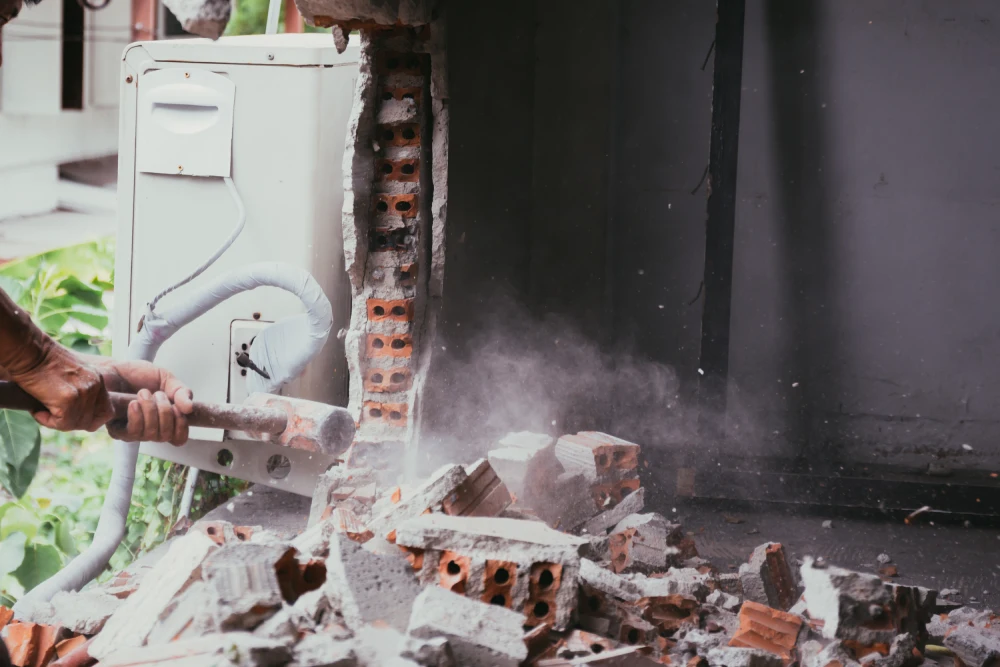
safe demolition services

10. Will You Provide a Written Contract?

Before hiring professional demolition specialists, make sure every important detail is documented. The contract should specify the work included, total price or pricing method, payment schedule, timeline, cleanup responsibilities, and procedures for handling additional work.

For structure demolition, also confirm how the contractor will protect nearby buildings, manage access, and address any unexpected conditions. Read the agreement carefully before signing.

Conclusion

Selecting the best demolition services provider isn’t all about price. Questions regarding licensing, safety, experience, permits, concrete removal, disposal and project timeline helps to get you a picture of what to expect before work begins.

Do your homework in the research of contractors and carefully read the written contract. The right professional can help ensure that your demolition project is both safer and more efficient and is easier to handle.

Frequently Asked Questions

How much do demolition services cost?

The cost of the structure will vary based on the size, materials, location, access, and disposal needs of the structure. Instead of an overall price, ask for an estimate that is specific to your project.

Do I need a permit for residential demolition?

Permits are needed for full or partial demolition of many locations. Please verify with local laws and regulations and ensure who is responsible for getting them.

Can demolition contractors remove concrete foundations?

Yes. For some contractors, their concrete foundation removal equipment is designed for the size and depth of concrete foundations.

Is debris removal usually included in demolition services?

Not always. Check to see if loading, hauling, recycling and disposal are covered in the written estimate.

How do I choose between demolition contractors?

Review their experience, insurance, safety measures, references, estimates, any contracts, etc.
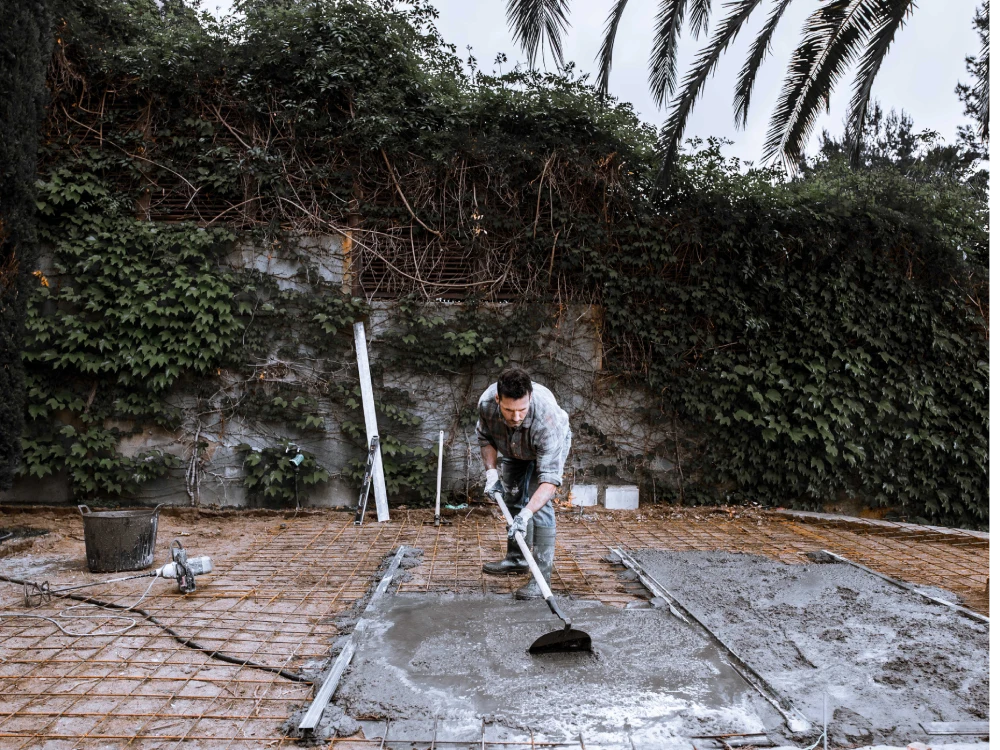
Concrete Replacement Cost: What You’ll Really Pay Per Square Foot

Cracked, uneven, or damaged concrete can affect your property’s appearance and safety. Understanding the cost of concrete replacement helps you decide whether repairing the existing surface or installing new concrete is the better option.

The price depends on the project’s size, labor, concrete thickness, site preparation, and removal of old material.

What Is the Average Concrete Replacement Cost Per Square Foot?

The average price of replacing concrete is 6-15 per square foot for regular residential replacements. Expensive on top of finishes used for decoration, difficult access and large demolition works.

If replacing a patio is an option, for instance, and costs $10 per square foot, replacing the patio with a 200 sq.ft. area would cost about $2,000. This is an approximate figure and is dependent on location and project needs.

Your quote should include demolition, debris removal, ground preparation, materials, labor, and finishing.

concrete patio repair cost

What Factors Affect Concrete Replacement Costs?

Project size is one factor to consider in the final price, but others also play a role in the final cost. Removal of thick or reinforced concrete will require more effort, and uneven ground and drainage issues might necessitate more preparation.

The basic finishes tend to be less expensive than stamped or colored finishes. You can also be influenced by labor costs, availability of equipment and local needs.

Concrete Repair vs. Replacement

Concrete repair is more economical when damage occurs in small areas of a surface, in small cracks or chips. But if there is a significant amount of cracking, bad deterioration, and repairs then replacement may be a more viable option.

A contractor needs to figure out what caused the damage before he/she suggests a solution. Repairing only surface cracks, without correcting poor soil or drainage conditions, can only be a temporary solution.

Cost to Repair Concrete Steps

Concrete steps repair costs will vary with the number of steps and the degree of damage. Simple patching may be sufficient for small chips, unstable steps or broken edges may need more extensive work.

The cost of the concrete repair will typically be less expensive than the cost of reconstructing an entire staircase. If the steps are structurally unsafe, have them inspected before deciding on a repair method.

Slab Repair Cost and Concrete Resurfacing

The price for slab repair will be determined by whether the issue is surface cracks, sinking or deeper structural damage. The cracks can be filled in or the slabs that have settled can be levelled or replaced.

The cost of a resurfacing of concrete steps will vary with surface preparation, materials and the type of finish. Resurfacing is best suited for the condition of a strong underlying concrete structure. It will not solve major cracking, shifting and structural issues.

Concrete Patio Repair Cost

Concrete patio repair cost will vary depending on the size of the patio and the extent of the damage. The repair of the cracked and chipped surface may be possible without replacement in the entire surface.

In the event that your patio is cracked, or that you have sections of concrete that aren’t level, you can compare the costs for repairs with the cost of fresh concrete installation. Matching an existing patio may also be more expensive due to decorative finishes.

How Much Does Concrete Leveling Cost?

What’s the price of concrete leveling? The cost is based on the number of square feet to be lifted, the type of leveling, access to the site and the material to be removed.

If the slab is still in good condition, leveling may be a more economical solution than replacement. But if the concrete is badly broken or the soil is still an issue, another solution might be necessary.

Sidewalk Repair Cost and Installation

The cost of fixing the sidewalk is determined by the kind of damage, whether it is minor cracks, uneven sidewalk panels or sections that require replacement. Doing individual repairs will be cheaper than replacing the whole walkway.

The cost to install a concrete sidewalk depends on its length, width, thickness, labor, and site preparation. This can be increased by removing old concrete and/or changing the ground.

If the sidewalks are not even, ask a contractor if the changes will create a safe, long-lasting solution or trip hazard.

sidewalk repair cost

How to Get an Accurate Estimate

Take measurements and get quotes from a number of contractors. Include demolition, disposal, preparation of the site for the foundation, materials, labour and finishing in each estimate.

When reviewing quotes for the same scope of work, inquire about exact thickness, drainage, curing, and any extra costs involved.

Conclusion

The price of concrete replacement will vary based on the size of the project, the materials needed, labor costs, and the surface condition. The costs of repair and leveling may be lower, but replacement may be the more cost effective solution in the long run if there is extensive damage.

When comparing quotes, you are going to want to investigate any issues that may be present and solve them prior to starting work to ensure you receive a long lasting outcome that is a budget-friendly alternative.

Frequently Asked Questions

Is repairing concrete cheaper than replacing it?

Usually, yes, when the damage is minor. Replacement may offer better value when the concrete is severely damaged or needs frequent repairs.

Can concrete be resurfaced instead of replaced?

Yes if the existing concrete is structurally sound. The slabs that are seriously cracked, unstable or sinking should not be resurfaced.

What should a concrete replacement quote include?

It should contain the removal, disposal, site preparation, materials, labor, finishing and cleaning up costs as well as other costs.

How long does concrete replacement take?

Most small residential concrete replacement projects are completed in a few days depending on the area, weather and site preparation. Concrete also must be allowed to cure before it is capable of heavy use.

What is the cheapest way to replace damaged concrete?

If the concrete portions are not compromised, only replacing the damaged sections can save money. Compare the partial replacement to the full replacement to see which provides more value over time.

Does concrete replacement include removing old concrete?

Not all contractors quote for the debris removal and disposal, some will. Find out these costs beforehand to prevent extra costs when engaging a contractor.

When should concrete be replaced instead of repaired?

Replacement may be necessary when concrete has extensive cracking, severe deterioration, significant movement, or recurring damage that repairs cannot resolve.

Can weather affect concrete replacement costs?

Yes. Installation can be delayed due to extreme temperatures, precipitation and challenging working conditions which can impact on scheduling. Special precautions may be necessary for contractors to ensure a satisfactory cure and finish.

Test Demo