Your home’s foundation supports the entire structure, so identifying problems early can help prevent expensive repairs. A foundation inspection allows a qualified professional to examine the foundation, look for structural concerns, and recommend any necessary next steps.
The cost depends on your home’s size, location, accessibility, and the complexity of the inspection. Understanding what to expect can help you budget and recognize when professional advice may be necessary.
How Much Does a Foundation Inspection Cost?
In the United States, the cost of a typical house foundation inspection can be anything from $300 to $800, depending on the condition of a home and the type of inspection. Inspections may be less expensive if they are just a basic visual inspection; a detailed structural engineering inspection may be more expensive.
Any soil testing, special equipment or engineering reports will incur extra costs for the inspection. Request a written quote that details the service before you make an appointment.
How Do You Know If You Have a Foundation Problem?
Knowing the warning signs can help you to determine whether to make a professional appointment. Typical signs of a foundation issue having a problem are cracks in the walls, floors that are uneven, sticking doors, and windows that don’t open easily.
Other signs of foundation damage are cracks in brickwork outside or gaps around the window frames, and walls that have separated from the ceiling. These problems do not always mean that the foundation has failed, but rather should be addressed if there is any cause of concern when they become more severe, or occur in combination.
Signs of Settling Foundation
Some settling is normal as a house ages. But if there are any changes that are noticeable, then there’s a problem.
Common signs of settling foundation include diagonal cracks around windows and doors, sloping floors, and gaps between interior walls and trim. If these changes occur rapidly or intensify then have a professional inspection.
What Does a Home Foundation Inspection Include?
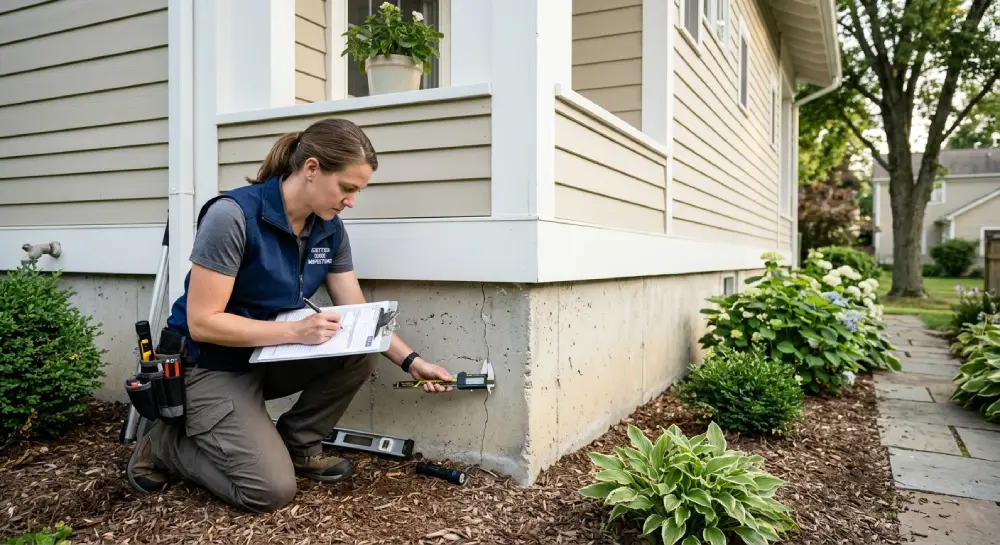
A home foundation inspection typically includes the inspection of areas of the foundation that can be reached, along with interior walls, floors, exterior masonry components and other aspects of the home structure.
An inspector can check for the same issues as an engineer: cracking, moisture intrusion, uneven surfaces and movement. They may also inspect the drainage around the home and suggest that a structural engineer inspect the home for further inspection.
Having a foundation inspection checklist will help homeowners in preparing for the appointment. Make note of any visible cracks, any sticking doors, water leaks, and changes observed over time. Photographs may be useful in recording if these things are worsening.
What Causes Foundation Problems?
Foundation problems can be caused by a variety of factors such as changing soil moisture, poor drainage, plumbing leaks, expansive soils and poor construction.
However, it can be directed into the house due to heavy rains or inadequate grading, and even during a drought, some soils can shrink. Leaking underground pipes and tree roots are other factors that affect soil conditions.
While these measures may not solve all foundation problems, routine maintenance of gutters, downspouts and drainage can help avoid some of the problems.
Foundation Inspection and Repair: What Happens Next?
Following a foundation inspection, the expert might suggest monitoring small cracks, improving the drainage, rectifying moisture problems or get a structural engineer’s opinion.
The cost of the repairs depends on the cause and the severity of the repairs that need to be done. A few hundred dollars can be required for minor crack repair, and several thousand dollars or more to stabilize structures.
A good foundation repair company should be able to describe in detail the issue, give you a written quote, and explain the plan to fix the issue. Don’t take just one opinion before committing to a high dollar project.

Can Foundation Waterproofing Help?
Foundation waterproofing can be used to control water infiltration and minimise potential water related issues around the foundation. Suggestions can range from drainage problems that need to be fixed, sealing some cracks, exterior waterproofing systems, and grading improvements.
Waterproofing can be used to help solve moisture problems, but not all structural problems. If the house has large cracks, uneven floors or even movement, have the cause of the problem determined before deciding on a solution.
Conclusion
A foundation inspection can assist a homeowner in knowing what signs are warning indicators that may lead to structural issues before they will become a more costly issue. The cost of inspection is variable, but the information can help you to make decisions on repairs, drainage and for long-term maintenance.
If you see widening cracks, sloping floors or if you are getting a lot of moisture, schedule a professional evaluation. If you can identify the cause early, you will have the option to choose the right solution and prevent your home’s long-term stability issues.
Frequently Asked Questions
How often should a foundation inspection be done?
No one has a universal timetable for each of their homes. When new cracks, water, and/or changes in floors appear, schedule an inspection.
Is a foundation inspection worth the cost?
Yes, if there are warning signs, or if you are concerned about structural stability. An inspection may help to establish if there are any issues and if so, what measures need to be taken to repair or investigate further.
Can I inspect my foundation myself?
While it is possible to do the walk-through inspection for visible cracks, moisture and flat floors, it is not the same as a professional inspection when it is suspected that the home has structural damage.
Do all foundation cracks mean serious damage?
No. Small, stable cracks can occur as materials age or concrete cures. Cracks that widen, spread and/or appear with other structural alterations should be assessed.
Does homeowners insurance cover foundation inspections?
Your policy and situation may determine the actual coverages. Typical inspection costs are usually paid by the customer and some damage may be deemed to be attributable to an insured event.
How long does a foundation inspection take?
The time for a basic visual assessment is approximately 30 minutes to two hours. If a larger home or more detailed engineering evaluation is needed then more time is required.
What should I prepare before an inspection?
Compile a list of what you see that is different, such as cracks, water leaks, sticking doors, etc. Include pictures and descriptions of the onset of symptoms.
Can drainage problems damage a foundation?
Yes. The soil moisture fluctuation and standing water around the foundation can be a problem due to inadequate drainage. Risk may be reduced, depending on the underlying conditions, by correcting drainage.
Should I hire a structural engineer or a foundation repair company?
A structural engineer can assess the structure and make their own decisions about any issues and provide recommendations for repair. A foundation repair company will be able to tell you how to repair it and give you an estimate; if the problem is serious, it may be worth having a third party engineering opinion.
How can I reduce future foundation problems?
Keep gutters and downspouts in place and clear, steer water away from homes, fix any plumbing leaks and watch for cracks. If any movement symptoms are noted, get medical help.